Nghị định 292/2026/NĐ-CP: Danh mục hàng hóa cấm xuất khẩu, cấm nhập khẩu có gì mới
Từ cấm thuốc lá điện tử đến cấm nhập hàng sản xuất bằng cưỡng bức lao động — so sánh chi tiết danh mục mới với Nghị định 69/2018/NĐ-CP đang áp dụng.
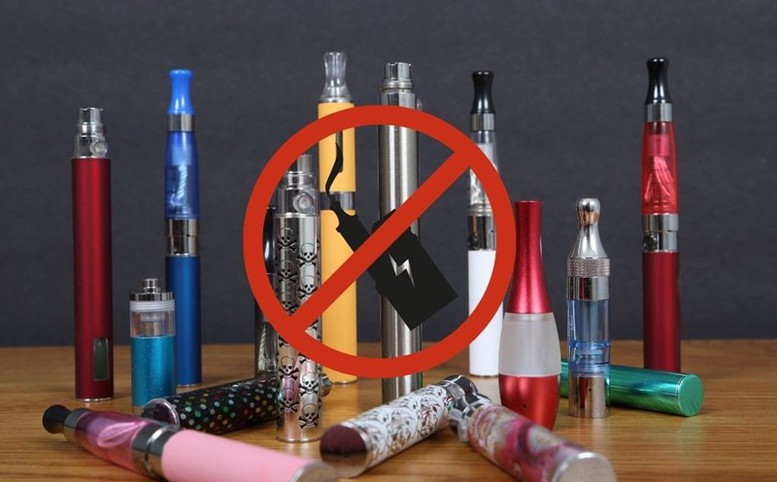
Ngày 22/7/2026, Chính phủ ban hành Nghị định số 292/2026/NĐ-CP quy định chi tiết một số điều và biện pháp thi hành Luật Quản lý ngoại thương, thay thế Nghị định 69/2018/NĐ-CP đã áp dụng gần 8 năm qua. Điều 5 và Phụ lục I của Nghị định mới quy định lại toàn bộ Danh mục hàng hóa cấm xuất khẩu, cấm nhập khẩu — trong đó danh mục cấm nhập khẩu mở rộng đáng kể, từ 14 lên 23 nhóm hàng. Với doanh nghiệp xuất nhập khẩu, đây không chỉ là cập nhật số hiệu văn bản. Một số mặt hàng lần đầu tiên bị đưa vào diện cấm — đáng chú ý nhất là quy định cấm nhập khẩu hàng hóa sản xuất bằng cưỡng bức lao động, và việc cấm cả xuất lẫn nhập thuốc lá điện tử, thuốc lá nung nóng.
Nghị định 292/2026/NĐ-CP thay thế văn bản nào
Nghị định 292/2026/NĐ-CP quy định chi tiết một số điều của Luật Quản lý ngoại thương 2017 và thay thế Nghị định 69/2018/NĐ-CP — văn bản đã được sửa đổi, bổ sung nhiều lần qua các thông tư chuyên ngành (Bộ Quốc phòng, Bộ Công Thương, Bộ Nông nghiệp và Môi trường, Bộ Xây dựng...) suốt gần 8 năm. Danh mục hàng hóa cấm xuất khẩu, cấm nhập khẩu tại Phụ lục I Nghị định mới được xây dựng lại toàn diện, đồng thời cập nhật tên các Bộ quản lý theo cơ cấu tổ chức Chính phủ sau đợt sáp nhập bộ ngành năm 2025 (Bộ Nông nghiệp và Phát triển nông thôn nay là Bộ Nông nghiệp và Môi trường; Bộ Giao thông vận tải nay là Bộ Xây dựng; một số thẩm quyền của Bộ Thông tin và Truyền thông chuyển về Bộ Khoa học và Công nghệ).
Cơ chế pháp lý: cấm nhưng vẫn có thể xin phép trong trường hợp đặc biệt
Điều 5 Nghị định 292/2026/NĐ-CP giữ nguyên nguyên tắc: hàng hóa cấm xuất khẩu, cấm nhập khẩu được liệt kê tại Phụ lục I, các Bộ, cơ quan ngang Bộ có trách nhiệm công bố mã HS chi tiết. Điểm đáng chú ý là Nghị định quy định cụ thể hồ sơ và quy trình để xin phép xuất khẩu, nhập khẩu hàng hóa thuộc diện cấm trong trường hợp cần thiết (khoản 3-7 Điều 5): thương nhân nộp đơn đề nghị theo mẫu, kèm tài liệu thuyết minh kế hoạch sử dụng và phương án xử lý sau khi dùng; cơ quan cấp phép thông báo hồ sơ chưa đủ trong 3 ngày làm việc, cấp phép trong 5 ngày làm việc kể từ khi hồ sơ đầy đủ. Hàng hóa cấm nhập khẩu được cấp phép chỉ được lưu giữ, sử dụng tại Việt Nam tối đa 2 năm, và thương nhân phải báo cáo định kỳ hằng năm (chậm nhất 31/12) về tình hình sử dụng.
Danh mục cấm xuất khẩu: thêm 2 nhóm hàng mới
So với Nghị định 69/2018/NĐ-CP, danh mục cấm xuất khẩu tại Phụ lục I Nghị định 292/2026/NĐ-CP tăng từ 7 lên 10 nhóm hàng. Các nhóm cũ (vũ khí, sản phẩm mật mã, di vật/cổ vật, xuất bản phẩm cấm, gỗ rừng tự nhiên, mẫu vật CITES/tê giác/voi, hóa chất nguy hiểm) về cơ bản giữ nguyên phạm vi. Hai nhóm hoàn toàn mới:
- Kim cương thô cấm xuất khẩu theo Quy chế Chứng nhận Quy trình Kimberley (Bộ Công Thương quản lý) — trước đây danh mục cấm xuất khẩu của Nghị định 69/2018/NĐ-CP không có mục riêng cho kim cương thô.
- Thuốc lá điện tử, thuốc lá nung nóng (Bộ Công Thương quản lý) — lần đầu được đưa chính thức vào Danh mục hàng hóa cấm xuất khẩu.
Danh mục cấm nhập khẩu: mở rộng từ 14 lên 23 nhóm hàng
Đây là phần thay đổi nhiều nhất. Ngoài việc bổ sung kim cương thô và thuốc lá điện tử/thuốc lá nung nóng (đối xứng với danh mục cấm xuất khẩu), Nghị định 292/2026/NĐ-CP tách và bổ sung thêm nhiều nhóm hàng mà Nghị định 69/2018/NĐ-CP trước đây không quy định riêng hoặc quy định hẹp hơn:
- Hàng hóa được khai thác, sản xuất hoặc chế tạo toàn bộ hoặc một phần bởi hành vi cưỡng bức lao động — quy định hoàn toàn mới, do Bộ Nội vụ quản lý, phù hợp với các điều ước quốc tế mà Việt Nam là thành viên.
- Thuốc, nguyên liệu thuốc thuộc danh mục cấm nhập khẩu, cấm sản xuất — tách thành mục riêng do Bộ Y tế quản lý (trước đây gộp chung với "thiết bị y tế đã qua sử dụng").
- Chất thải phóng xạ — tách riêng, do Bộ Khoa học và Công nghệ quản lý (Nghị định 69/2018/NĐ-CP trước đây chỉ nêu chung "phế liệu, phế thải, thiết bị làm lạnh sử dụng CFC").
- Thuốc thú y cấm sử dụng tại Việt Nam — tách thành mục riêng do Bộ Nông nghiệp và Môi trường quản lý.
- Các chất được kiểm soát và thiết bị, sản phẩm có chứa hoặc sản xuất từ chất được kiểm soát theo điều ước quốc tế bảo vệ tầng ô-dôn — phạm vi rộng hơn hẳn so với quy định cũ chỉ giới hạn ở "thiết bị làm lạnh sử dụng CFC".
Siết chặt hơn với xe tay lái nghịch nhập khẩu
Một thay đổi đáng chú ý nhưng ít được nhắc tới: danh mục xe tay lái bên phải được miễn trừ cấm nhập khẩu bị thu hẹp đáng kể. Nghị định 69/2018/NĐ-CP trước đây miễn trừ khá nhiều loại xe chuyên dùng phạm vi hẹp: xe cần cẩu, máy đào kênh rãnh, xe quét/tưới đường, xe chở rác, xe thi công mặt đường, xe chở khách sân bay, xe nâng hàng trong kho/cảng, xe bơm bê tông, xe di chuyển trong sân golf/công viên. Nghị định 292/2026/NĐ-CP chỉ còn miễn trừ 3 nhóm: ô tô chữa cháy, ô tô chở người trong sân bay, và xe máy chuyên dùng (không bao gồm máy kéo). Doanh nghiệp nhập khẩu xe chuyên dùng tay lái nghịch trước đây thuộc diện miễn trừ cần rà soát lại, vì nhiều khả năng không còn được miễn trừ theo quy định mới.
Doanh nghiệp cần làm gì
- Rà soát lại mặt hàng đang xuất/nhập khẩu, đối chiếu với 10 nhóm cấm xuất khẩu và 23 nhóm cấm nhập khẩu tại Phụ lục I Nghị định 292/2026/NĐ-CP — đặc biệt lưu ý nếu đang kinh doanh thuốc lá điện tử, kim cương, hoặc có chuỗi cung ứng liên quan đến lao động cưỡng bức.
- Với doanh nghiệp nhập khẩu xe chuyên dùng tay lái bên phải: kiểm tra lại xem loại xe của mình còn nằm trong 3 nhóm được miễn trừ hay không.
- Nếu hàng hóa thuộc diện cấm nhưng cần xuất/nhập khẩu vì mục đích đặc biệt (trưng bày, nghiên cứu, viện trợ...), chuẩn bị hồ sơ theo khoản 4 Điều 5 (đơn đề nghị mẫu 01, tài liệu thuyết minh kế hoạch sử dụng, phương án xử lý sau sử dụng) và nộp tới cơ quan cấp phép có thẩm quyền.
- Theo dõi văn bản công bố mã HS chi tiết do từng Bộ, cơ quan ngang Bộ ban hành — vì Phụ lục I mới chỉ mô tả hàng hóa, mã HS cụ thể do các Bộ chuyên ngành công bố riêng.
Frequently Asked Questions
Nghị định 292/2026/NĐ-CP có thay thế hoàn toàn Nghị định 69/2018/NĐ-CP không?
Có — đây là nghị định thay thế, quy định lại toàn bộ nội dung hướng dẫn thi hành Luật Quản lý ngoại thương, trong đó có Danh mục hàng hóa cấm xuất khẩu, cấm nhập khẩu tại Phụ lục I.
Doanh nghiệp đã có giấy phép xuất/nhập khẩu hàng hóa đặc biệt theo Nghị định cũ có phải xin lại không?
Nghị định không nêu quy định hồi tố đối với giấy phép đã cấp hợp lệ trước đó; tuy nhiên doanh nghiệp nên chủ động liên hệ cơ quan cấp phép để xác nhận, đặc biệt nếu giấy phép sắp hết hạn hoặc mặt hàng nằm trong nhóm quy định mới bổ sung.
Vì sao thuốc lá điện tử, thuốc lá nung nóng bị cấm cả xuất lẫn nhập khẩu?
Mặt hàng này đã bị cấm sản xuất, kinh doanh, nhập khẩu tại Việt Nam theo Nghị quyết 173/2024/QH15 của Quốc hội, có hiệu lực từ năm 2025. Nghị định 292/2026/NĐ-CP chính thức đưa mặt hàng này vào Danh mục hàng hóa cấm xuất khẩu, cấm nhập khẩu để thống nhất với quy định quản lý ngoại thương.
- Nghị định số 292/2026/NĐ-CP ngày 22/7/2026 của Chính phủ quy định chi tiết một số điều và biện pháp thi hành Luật Quản lý ngoại thương, Phụ lục I — Danh mục hàng hóa cấm xuất khẩu, cấm nhập khẩu
- Nghị định số 69/2018/NĐ-CP ngày 15/5/2018 của Chính phủ hướng dẫn Luật Quản lý ngoại thương (văn bản được thay thế)
- Luật Quản lý ngoại thương số 05/2017/QH14
- Nghị định số 146/2025/NĐ-CP quy định về phân quyền, phân cấp trong lĩnh vực công nghiệp và thương mại
- Nghị quyết 173/2024/QH15 của Quốc hội về cấm sản xuất, kinh doanh, nhập khẩu thuốc lá điện tử, thuốc lá nung nóng
- Báo Điện tử Chính phủ, "Quy định hàng hóa cấm xuất khẩu, cấm nhập khẩu", đăng ngày 22/7/2026
Need shipping support?
Air Sea Worldwide (Vietnam) Co., Ltd
Ocean freight · Air freight · FCL/LCL logistics Vietnam – Latin America (Brazil, Argentina, Chile, Peru, Colombia)
Mobile: +84 968 064 737 · Email: tin.ho@asw-hochiminhcity.com.vn