Imported Children's Toys Now Classified as High Risk: Why Goods Must Be Released Pending Certification Before Customs Clearance
From July 1, 2026, Thông tư 36/2026/TT-BKHCN classifies children's toys as high-risk goods — every shipment must wait for a quality inspection certificate before it can be formally cleared through customs.
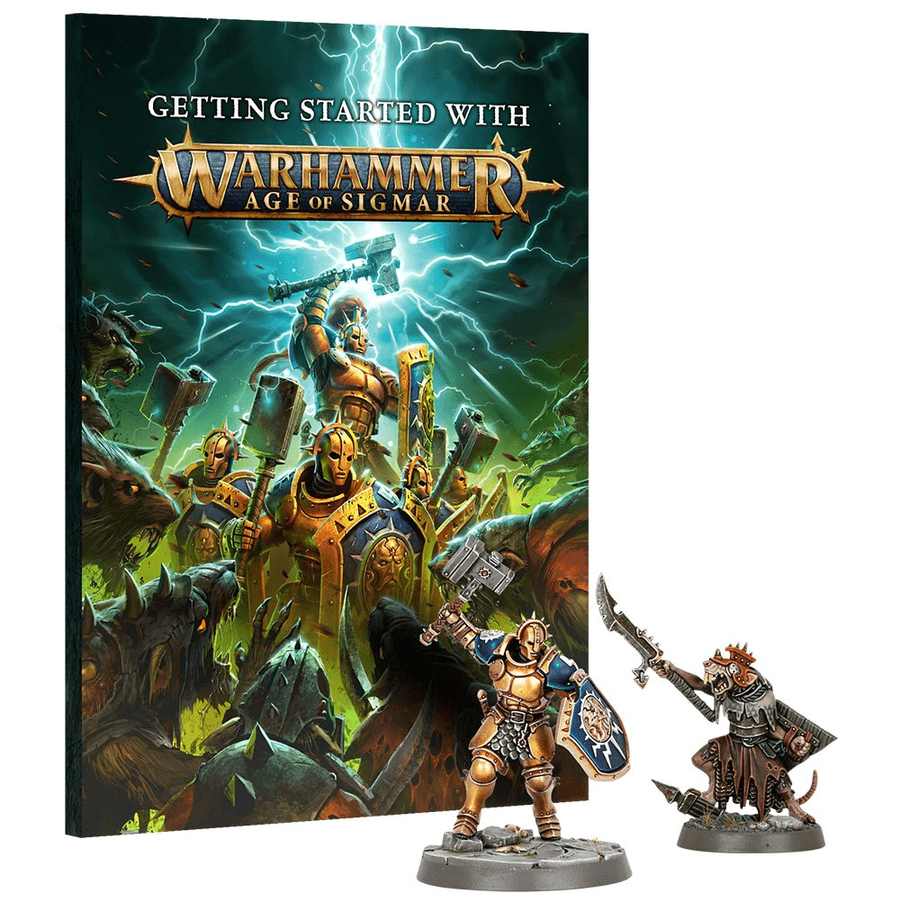
On June 30, 2026, the Ministry of Science and Technology issued Thông tư 36/2026/TT-BKHCN, formally classifying children's toys as high-risk goods. As of July 1, 2026, the customs clearance procedure for imported children's toys in Vietnam has changed fundamentally: gone is the "clear first, submit inspection results later" mechanism many importers had grown used to — every shipment must now go through a goods-release stage, wait for a passing quality inspection certificate, and only then receive formal customs clearance. This is not a one-off adjustment tied to a single shipment or importer. It stems from a sweeping legal reform that began with Luật số 78/2025/QH15, which amended the Luật Chất lượng sản phẩm, hàng hóa (Law on Product and Goods Quality).
Where this reform comes from
- Luật số 78/2025/QH15 (passed by the National Assembly on June 18, 2025, effective January 1, 2026): shifted the entire product and goods quality management model from a "Group 1 / Group 2" system to a three-tier risk classification — low, medium, high.
- Nghị định 37/2026/NĐ-CP (January 23, 2026): details the implementation of Luật 78/2025/QH15, replacing the entire chain of Nghị định 132/2008/NĐ-CP, Nghị định 74/2018/NĐ-CP, and Nghị định 13/2022/NĐ-CP — effectively retiring the "strict / standard / reduced inspection" model that had been in place for nearly a decade.
- Thông tư 14/2026/TT-BKHCN (April 9, 2026): sets out 8 conformity assessment methods; methods 1 and 6 (the lightest) cannot be applied to high-risk goods; method 7 — batch-specific testing — is mandatory for this tier.
- Thông tư 36/2026/TT-BKHCN (issued June 30, 2026, effective July 1, 2026): issues the list of medium- and high-risk products under the Ministry of Science and Technology's authority. Children's toys — tricycles, dolls with accessories, model vehicles, building and puzzle sets, and other toy categories — are classified as high risk, subject to assessment methods 5 and 7.
Why "goods release" is not the same as "customs clearance"
Under Điều 37 khoản 4 of Luật Hải quan 2014, goods subject to specialized inspection to determine their eligibility for export or import can only be cleared through customs (thông quan) once the inspection conclusion is available. While that conclusion is pending, Điều 36 of Luật Hải quan lets customs authorities release the goods (giải phóng hàng) — allowing the importer to move the shipment out of the customs-supervised area for use, even though the customs declaration itself is not yet finalized.
Because method 7 — now mandatory for children's toys as of July 1, 2026 — requires testing specific to each individual shipment, with no exception for importers with a strong compliance track record (as the earlier "reduced inspection" method allowed), every shipment of imported children's toys must now go through the release-pending-certificate stage before formal clearance.
How this differs from before
Before July 1, 2026, some toy shipments were cleared almost immediately if the importer had a track record of at least three consecutive compliant shipments, with the certificate submitted within 15 working days afterward — the "reduced inspection" mechanism under Nghị định 74/2018/NĐ-CP (as amended by Nghị định 13/2022/NĐ-CP), which is no longer in effect. As of July 1, 2026, that line is drawn directly by product category under Thông tư 36/2026/TT-BKHCN: children's toys are high risk, regardless of any individual importer's track record.
The new procedure, step by step
- Register for state quality inspection at the Sub-Department of Standards, Metrology and Quality, or a designated certification body, under QCVN 3:2019/BKHCN.
- Submit the inspection registration together with the customs dossier when filing the declaration (sales contract, invoice, packing list, bill of lading).
- Customs accepts the dossier and releases the goods under Điều 36 of Luật Hải quan while the certificate is pending — the declaration is not yet considered cleared.
- Sampling and testing under assessment methods 5/7 (Thông tư 14/2026/TT-BKHCN) — typically 5 to 10 working days.
- Once the goods pass, the certification body issues the certificate (a state quality inspection result notice for imported goods).
- The importer submits the certificate to customs, which then issues the formal clearance decision under Điều 37 khoản 4 of Luật Hải quan.
What importers should keep in mind
- Budget storage time and cost for every shipment, not just new products or redesigned models — this is a blanket policy with no exception for importers with a good track record.
- If the inspection result is unfavorable, the shipment cannot be cleared; contracts with suppliers should clearly assign responsibility for this scenario.
- Watch for the revised QCVN 3:2019/BKHCN under Thông tư 04/2026/TT-BKHCN (effective April 15, 2026) to avoid unexpected testing requirements.
- Confirm directly with the local Customs Branch or Sub-Department of Standards, Metrology and Quality which assessment method applies to a specific shipment.
Frequently Asked Questions
Does the old "reduced inspection" mechanism (clear first, submit certificate later) still apply to children's toys?
No. As of July 1, 2026, children's toys are high-risk under Thông tư 36/2026/TT-BKHCN, subject to mandatory methods 5/7 (batch-specific testing) — the track-record-based reduced inspection method no longer applies.
Is "goods release" the same as "customs clearance"?
No. Goods release (Điều 36, Luật Hải quan) only allows the shipment to leave the customs-supervised area while the inspection result is pending. Customs clearance (Điều 37) is the final step in the customs procedure, only completed once a passing certificate is on file.
Does this change apply to every kind of imported children's toy?
Under Thông tư 36/2026/TT-BKHCN, the high-risk category covers tricycles, dolls with accessories, model vehicles, building and puzzle sets, and other toy categories within the scope of QCVN 3:2019/BKHCN — a broad scope, so importers should check the annexed list against their specific products.
- Luật số 78/2025/QH15 ngày 18/6/2025 sửa đổi, bổ sung một số điều của Luật Chất lượng sản phẩm, hàng hóa
- Nghị định số 37/2026/NĐ-CP ngày 23/1/2026 quy định chi tiết một số điều và biện pháp để tổ chức, hướng dẫn thi hành Luật Chất lượng sản phẩm, hàng hóa
- Thông tư số 14/2026/TT-BKHCN ngày 9/4/2026 quy định về công bố hợp chuẩn, công bố hợp quy và phương thức đánh giá sự phù hợp với tiêu chuẩn, quy chuẩn kỹ thuật
- Thông tư số 36/2026/TT-BKHCN ngày 30/6/2026 ban hành Danh mục sản phẩm, hàng hóa có mức độ rủi ro trung bình, mức độ rủi ro cao thuộc trách nhiệm quản lý của Bộ Khoa học và Công nghệ
- Thông tư số 09/2019/TT-BKHCN ngày 30/9/2019 ban hành QCVN 3:2019/BKHCN, sửa đổi bởi Thông tư số 04/2026/TT-BKHCN ngày 27/2/2026
- Luật Hải quan số 54/2014/QH13 (bản hợp nhất 54/VBHN-VPQH), Điều 36 và Điều 37
Need shipping support?
Air Sea Worldwide (Vietnam) Co., Ltd
Ocean freight · Air freight · FCL/LCL logistics Vietnam – Latin America (Brazil, Argentina, Chile, Peru, Colombia)
Mobile: +84 968 064 737 · Email: tin.ho@asw-hochiminhcity.com.vn